§ 1941.1
California Civil Code
The warranty of habitability. Sets the basic conditions a landlord is required to maintain — weatherproofing, plumbing, heat, safe wiring, working locks, and more.
Substandard conditions in California
The law requires landlords to maintain your home in a safe, clean condition. When landlords refuse to do so, we step in and make them.
General information. Not legal advice. This page provides general legal information, not legal advice, and does not create an attorney-client relationship. Every case turns on its own facts. Past results do not guarantee or predict the outcome of any future matter.
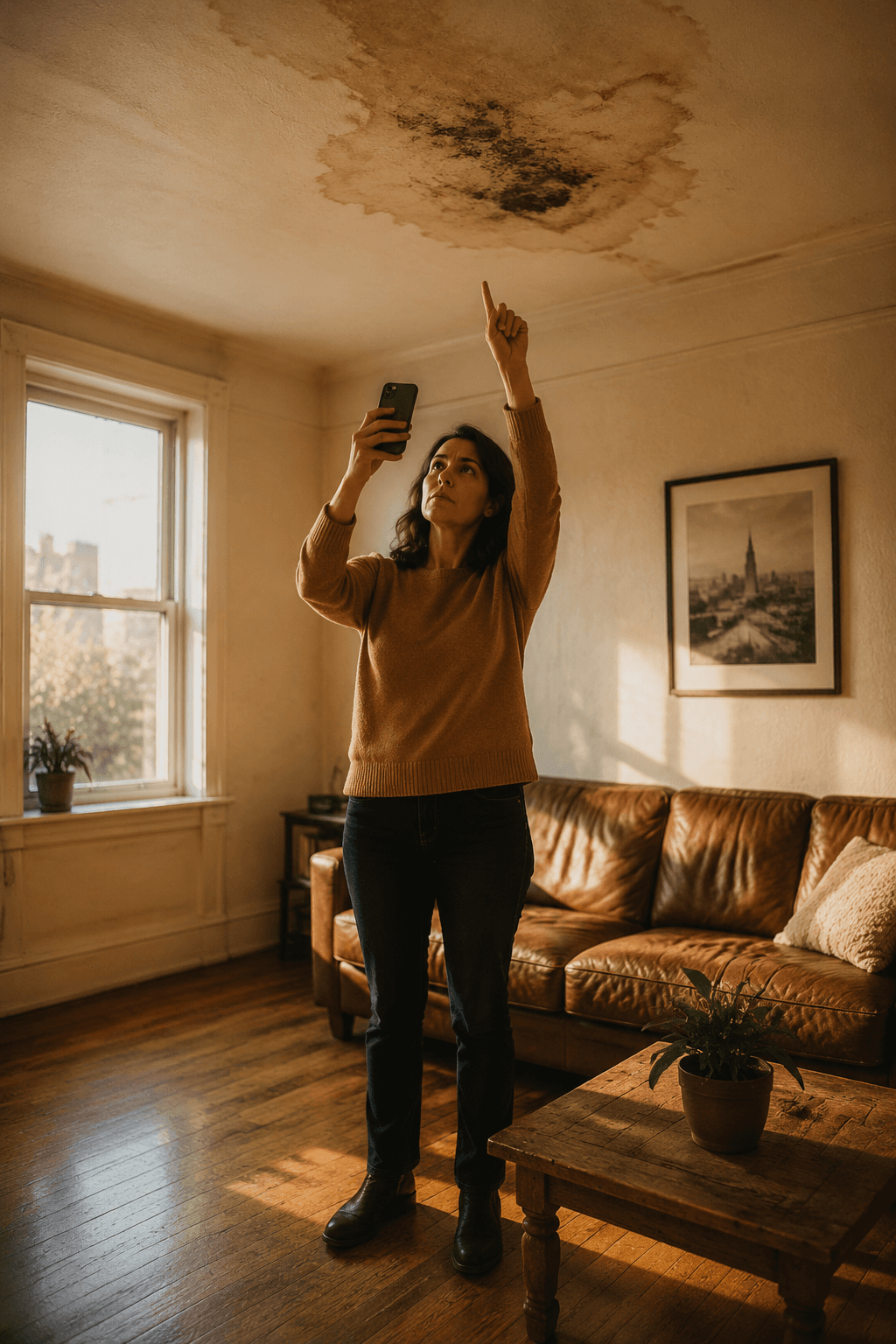
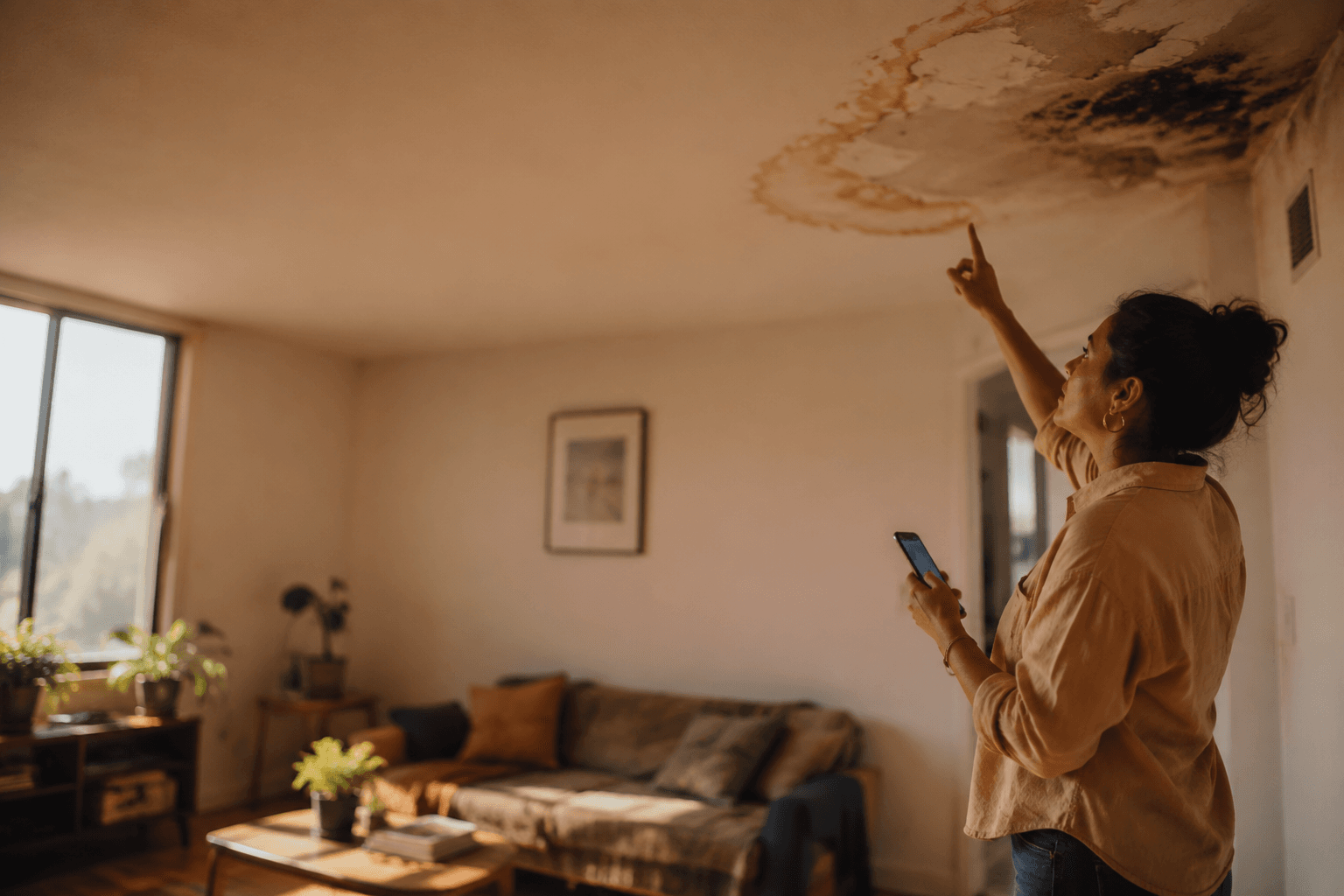
Recurring mold, leaks that never get fixed, and water damage a landlord paints over instead of repairing.
A heater that doesn’t work, hot water that comes and goes, and a landlord who treats it as your problem.
Roaches, rodents, or bed bugs that keep coming back because the building was never properly treated.
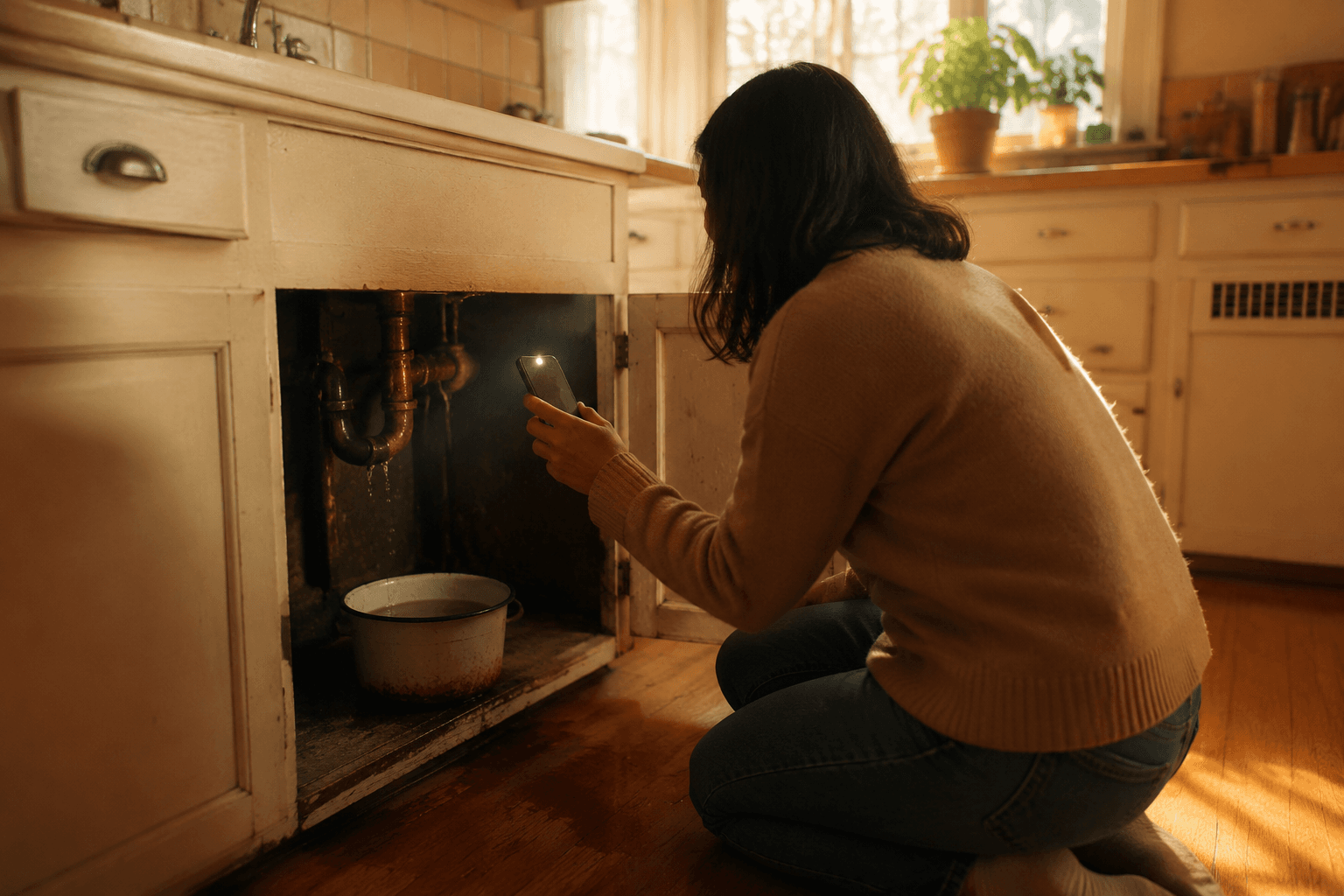
Leaking pipes, backed-up drains, dead outlets, and wiring that isn’t safe.
Requests that drag on for months, repairs started and abandoned, a unit left to slide on purpose.
Broken locks, broken windows, no smoke detectors, and common areas left in disrepair.
The law
California law guarantees every tenant a livable home. It is called the warranty of habitability, and a landlord cannot force you to waive it or sign it away in your lease. When your home falls below that standard, the law gives you options.
§ 1941.1
California Civil Code
The warranty of habitability. Sets the basic conditions a landlord is required to maintain — weatherproofing, plumbing, heat, safe wiring, working locks, and more.
§ 17920.3
Health & Safety Code
Defines what counts as substandard housing — the specific defects that make a building legally unfit, from infestation to inadequate sanitation.
§ 1942
California Civil Code
The repair-and-deduct and related remedies. In some situations a tenant can have a problem fixed and offset the cost, when a landlord won’t act.
Green
Green v. Superior Court
The California Supreme Court case that established the implied warranty of habitability in every residential lease, whether or not it is written down.
Is there mold, water damage, or a leak your landlord won’t properly fix?
Have you gone without heat, hot water, or working plumbing?
Is your home dealing with pests or an infestation that keeps coming back?
Did you ask for repairs in writing and get ignored or stalled?
Have the conditions affected your health, your safety, or your kids?
What recovery looks like
When a landlord keeps a home below that standard, a tenant may have a right to several kinds of remedy. A single case can include more than one.
A court can order the landlord to actually fix the conditions, properly, instead of patching over them.
When a home isn’t livable, you may be owed a reduction in rent for the time you paid full price for less than a habitable home.
That can include damages for the harm the conditions caused, including effects on your health and your belongings. The amount depends on the facts.
If the conditions forced you out, you may be able to recover the cost of relocating to a comparable home.
We show real past results elsewhere on this site, but we won’t put a number on your situation from a website. Every case turns on its own facts, and we’d rather walk you through what is possible for yours on a free call.
What working with us looks like
You call or send a message. We get back to you as soon as we can.
The first conversation is free. We ask what’s happening, what you’ve documented, and what you want to happen. No intake form. No paralegal screener.
If your situation looks like one we can help with, we say so. If it isn’t, we say that too, and point you toward someone who can.
If we take your case, you don’t pay attorney fees out of pocket. You may still be responsible for case costs, which we spell out in a written agreement we walk through with you before you sign.
“No one should have to choose between a roof and a home that won’t make them sick. The law agrees. We enforce it.”
Common questions
Be careful. There are legal ways to respond to a landlord who won’t make repairs, but withholding rent on your own can put you at risk of eviction if it isn’t done correctly. Talk to us first, before you stop paying. We’ll tell you what your real options are.
You don’t have to know the law to call us.
Calls are free. Monday through Friday, 8:00 a.m. to 5:00 p.m.. Hablamos español.
Or send us a note